
MINERAL WEALTH TO FUTURE READY: JHARKHAND CHALKS OUT ‘JUST TRANSITION’ BLUEPRINT VIA MINING FUNDS
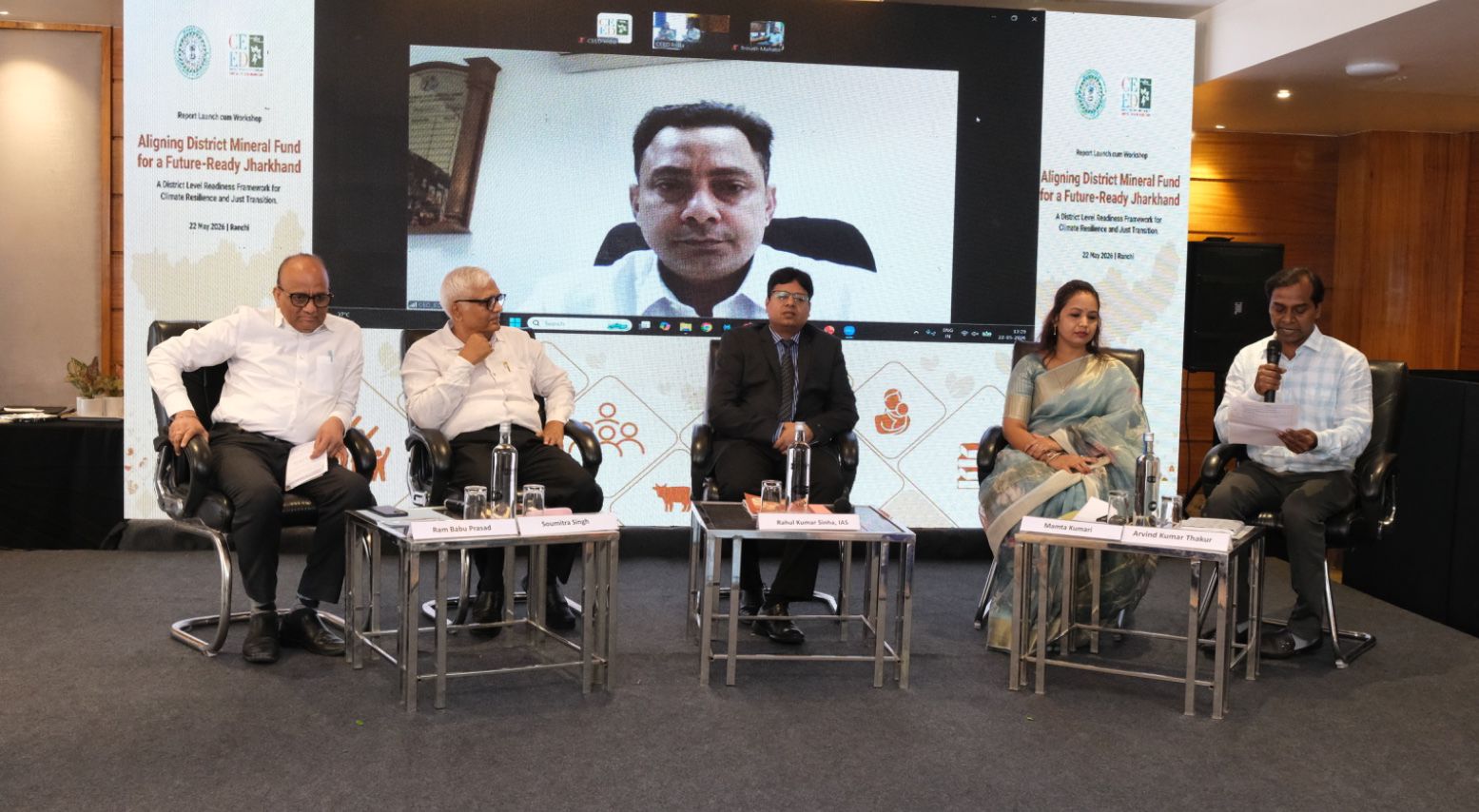
RANCHI: Jharkhand is preparing a major roadmap to transform its mining-impacted regions into future-ready economies. The state’s Task Force on Sustainable Just Transition, alongside the Center for Environment and Energy Development (CEED), officially released a comprehensive framework report today titled “Aligning DMF for a Future-Ready Jharkhand: A District-Level Readiness Framework for Resilience and Just Transition”.
The extensive study advocates for a strategic shift in how the state utilizes its massive District Mineral Foundation (DMF) cash reserves. Instead of treating DMF purely as a localized welfare or basic infrastructure fund, the framework outlines plans to deploy it as a core domestic financing engine to manage climate transitions, foster economic diversification, and secure sustainable livelihoods for mining-dependent populations.
Data from the report highlights Jharkhand’s massive financial leverage in the mining sector, revealing a total DMF trust collection of ₹18,231 crore as of April 2026. This marks the second-highest pool in India at 16.3% of the national total, trailing only behind Odisha. Roughly 69.15% of Jharkhand’s DMF revenue originates from coal mining, which constitutes nearly 29.83% of all national coal-linked DMF collections. However, the state sits on a massive unspent balance of ₹8,434 crore, signaling a critical gap between fund availability and actual ground-level deployment.Six districts—Dhanbad, West Singhbhum, Chatra, Ramgarh, Bokaro, and Hazaribagh—contain over 77.8% of the total state corpus, with each holding over a thousand crores.
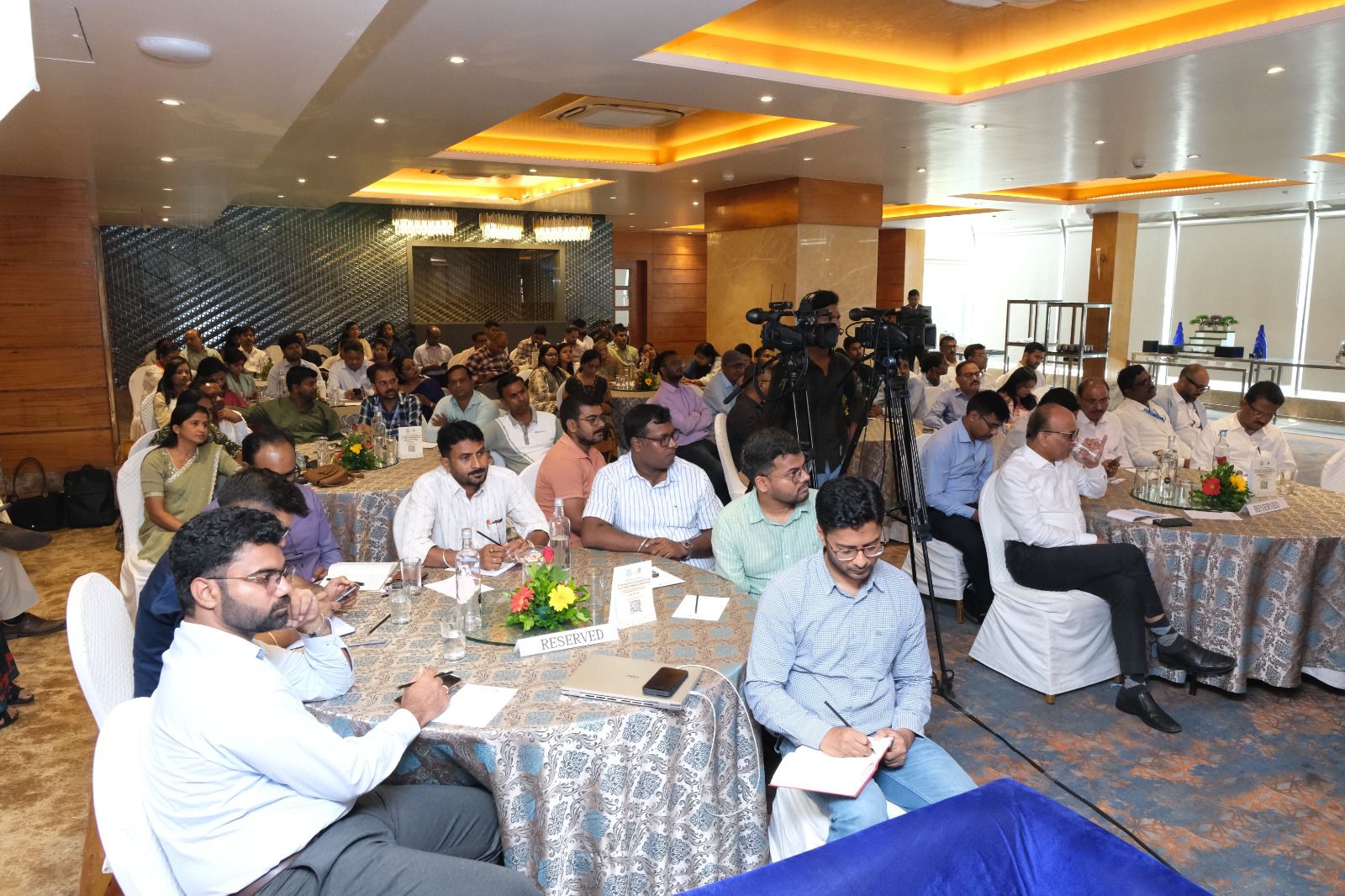
The report emphasizes that having financial power does not automatically equal regional development. While 62% of districts allocate more than 60% of their funds to designated high-priority sectors, only 37% currently hit the strict 70% PMKKKY administrative norms. State officials note that revised 2024 PMKKKY guidelines offer a fresh opportunity. By utilizing mandatory five-year perspective planning, districts can fix localized spending discrepancies. The report reveals stark differences in regional readiness; advanced zones like Bokaro and East Singhbhum are highly prepared to transform expenditures into sustainable social impacts. Meanwhile, areas like Pakur, West Singhbhum, and Latehar require urgent, community-centered institutional support to bridge their development gaps.
To successfully transition away from fossil-fuel dependence, a technical panel consisting of state leaders, industry experts from NTPC Mining Ltd, and the Skill Council for Green Jobs mapped out key structural remedies. These include setting up comprehensive re-skilling frameworks for traditional coal laborers, actively seeding non-mining industries in dense coal belts, allocating targeted funds for local environmental restoration, and enhancing community oversight through regular social audits. With climate finance gaps widening globally, Jharkhand’s strategy highlights a scalable path for resource-dependent states to successfully pivot toward sustainable development from within.
