
Dr Shailesh Tiwari explains osteoporosis
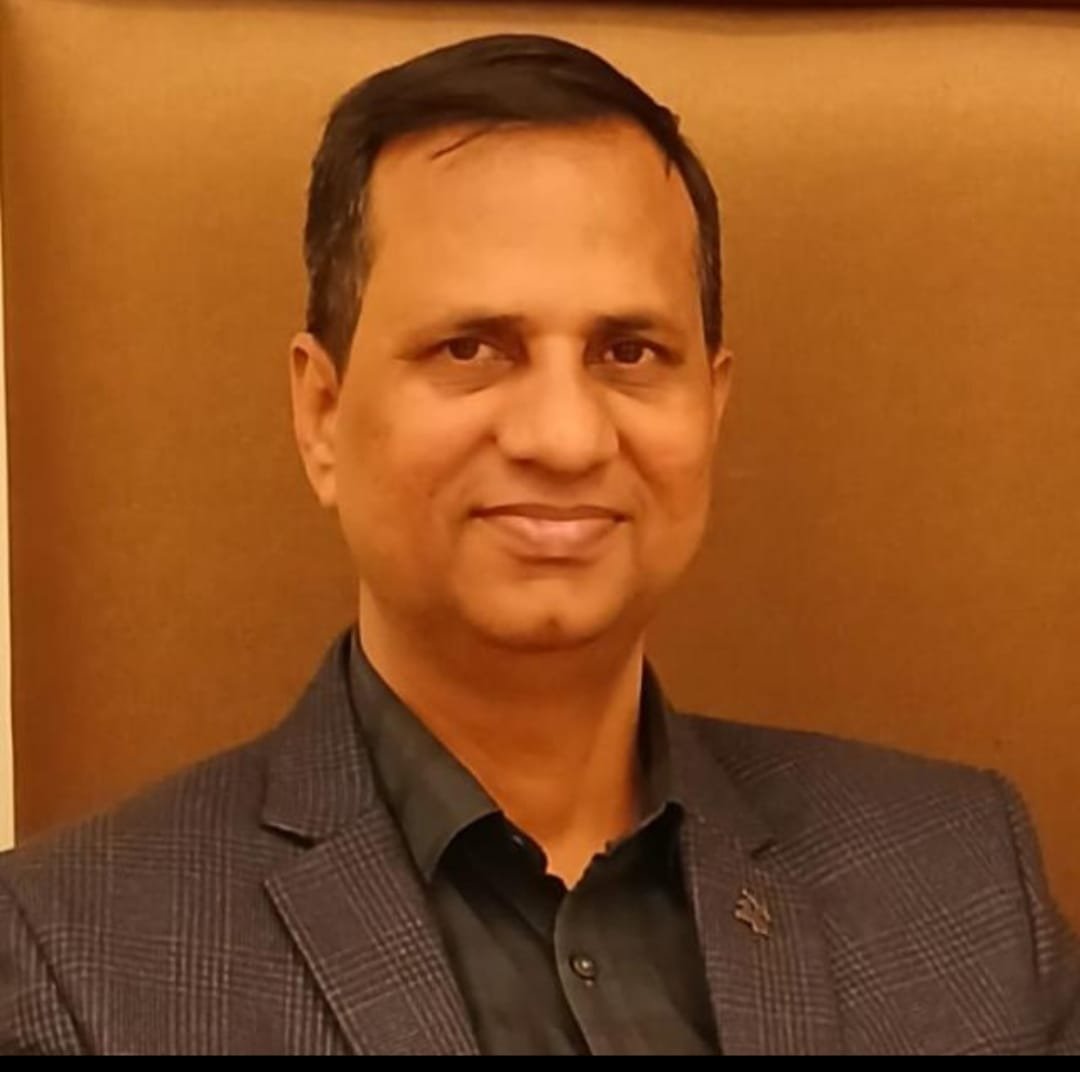
Dr Shailesh Tiwari, ( HOD) Centre for Spine Care Pitampura and KOST explains about osteoporosis.
1. What is Osteoporosis?
Osteoporosis is a condition where bone density and strength gradually decrease. The bone becomes porous and weak from inside, so even a minor injury or sometimes without any injury, a fracture can occur. It is called a Silent Disease because there are no symptoms until a bone breaks.
According to WHO, Osteoporosis is defined as a BMD (Bone Mineral Density) T-score of -2.5 or less.
2. Who is most affected and what is the ratio?
– More common in women: After the age of 50, 1 in 3 women and 1 in 5 men will have a fracture due to Osteoporosis.
– Post-menopausal women (after 45-55 years): Due to low Estrogen hormone, bone loss becomes very rapid.
– Elderly people (above 60 years): With age, the process of new bone formation becomes slow.
– Other High-Risk Groups: People with Vitamin D and Calcium deficiency, long-term use of steroids, smoking / alcohol consumption, very low body weight, and family history of Osteoporosis.
In India, about 50% of women above 50 years suffer from some degree of Osteoporosis.
3. Why is it considered a Challenging and Silent Fracture Disease?
It is considered most challenging for two reasons:
a) Silent: There is no pain or swelling in the beginning. The patient comes to know about it only when a hip, wrist, or spine fracture occurs.
b) Challenging: Spinal fractures occur slowly, leading to loss of height, stooped posture (kyphosis), and chronic back pain. After a hip fracture in elderly, the mortality rate within 1 year is 20-25%.
4. Prevention of Osteoporosis
1. Calcium: 1000-1200 mg daily (Milk, Curd, Paneer, Ragi, Sesame seeds)
2. Vitamin D: 15-20 minutes of sunlight daily, Eggs, Fish. Without Vitamin D, calcium will not be absorbed into the bone.
3. Exercise: 30 minutes of daily Weight Bearing Exercise like walking, climbing stairs, light weight training. This is most important for building bone.
4. Lifestyle: Avoid smoking, alcohol, excessive cold drinks / caffeine.
5. Fall Prevention: For elderly – avoid slippery floors at home, use proper footwear, regular eye check-up.
5. Investigations
1. DEXA Scan – Gold Standard Test: This is the most accurate test to measure bone strength. Every woman after 50 and every man after 60 should get it done once.
2. X-Ray: To detect fractures.
3. Blood Tests: Vitamin D3, Calcium, Phosphorus, PTH, Vitamin B12, Thyroid, Kidney Function
4. FRAX Score: To calculate the future risk of fracture.
6. What is the Correct Treatment?
Treatment of Osteoporosis should always be done on doctor’s advice.
1. Medicines: Along with Calcium, Vitamin D supplements, specific medicines to prevent bone loss and to form new bone like Bisphosphonates, Denosumab etc. are given on doctor’s advice.
2. Physiotherapy: Very important for posture correction, Balance Training and Muscle Strengthening to prevent falls.
3. Diet and Exercise: These have to be continued lifelong along with treatment.
Note: Consult your Orthopedic Doctor before starting any medication.
