
Severe Water Crisis Hits Birni Block As Heatwave Soars Past 45°C
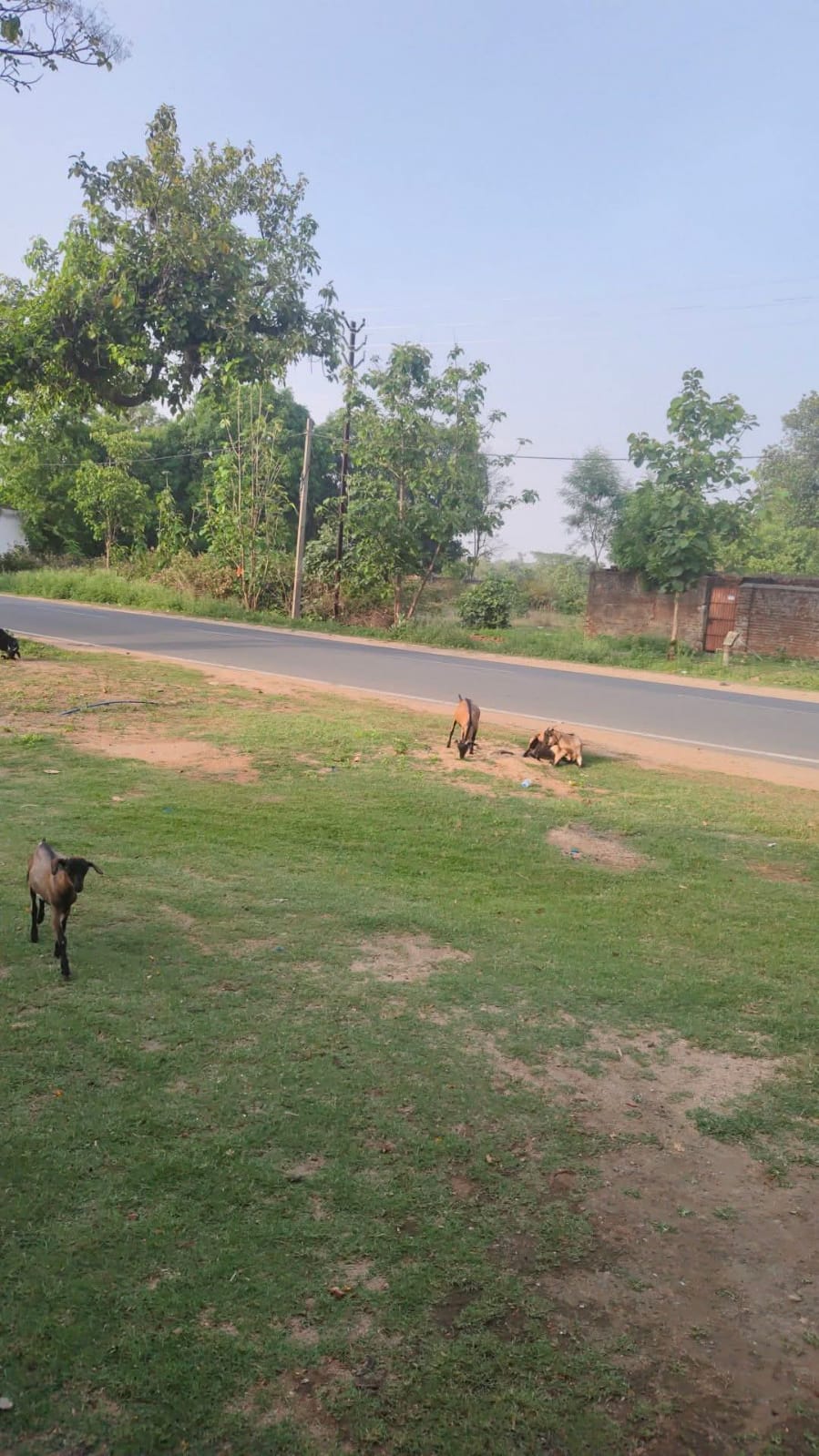
GIRIDIH: An intense heatwave has pushed Birni block in Jharkhand’s Giridih district to the brink. Temperatures have crossed 45°C. A severe water shortage has triggered a crisis across dozens of villages. Handpumps have gone dry. Wells have hit rock bottom. Rural residents are scrambling for every drop of water. The local administration is struggling to keep up with the demand.
Villagers Walk Miles For Water
Social activist Rajesh Kumar stated that the situation is critical. The worst-hit villages include Kendua, Kharkhari Arari, and Karmatand. Women and children line up at water sources from midnight. They wait hours to fill a single pot. In many areas, people walk 3 to 4 kilometers just to fetch water.
Health Risks Rise From Contamination
“If water isn’t available in this heat, how will people survive?” Kumar asked. Children and the elderly are suffering the most. There is a real risk of disease. People are forced to drink contaminated water from local ponds. Kumar urged the district administration to act immediately. He demanded drinking water tankers at the panchayat level. He suggested using panchayat bhawans and schools as distribution points. He also called for the urgent repair of defunct handpumps.
Administration Awaits Funds For Tankers
Locals say this is a recurring ordeal every summer. Administrative attention fades once the monsoon arrives. Without a permanent solution, the crisis will repeat in 2027. Block Development Officer (BDO) of Birni, Faneshwar Rajwar, stated that a report has been sent to the department. Water supply will begin as soon as funds and tankers are allocated. Villagers remain skeptical due to past broken promises.
Call For Long-Term Solutions
Kumar has set a one-week deadline for the administration to act. He appealed to panchayat representatives and social organizations to pressure officials. The India Meteorological Department forecasts no respite from the heat for five days. Experts warn that tanker supply is only a temporary lifeline. Long-term measures like rainwater harvesting are needed to tackle groundwater depletion. For now, the people of Birni are caught between scorching heat and empty wells.
