
NHM Director decodes adolescent health matrix; Empowering youth to combat ‘Social Stigma’
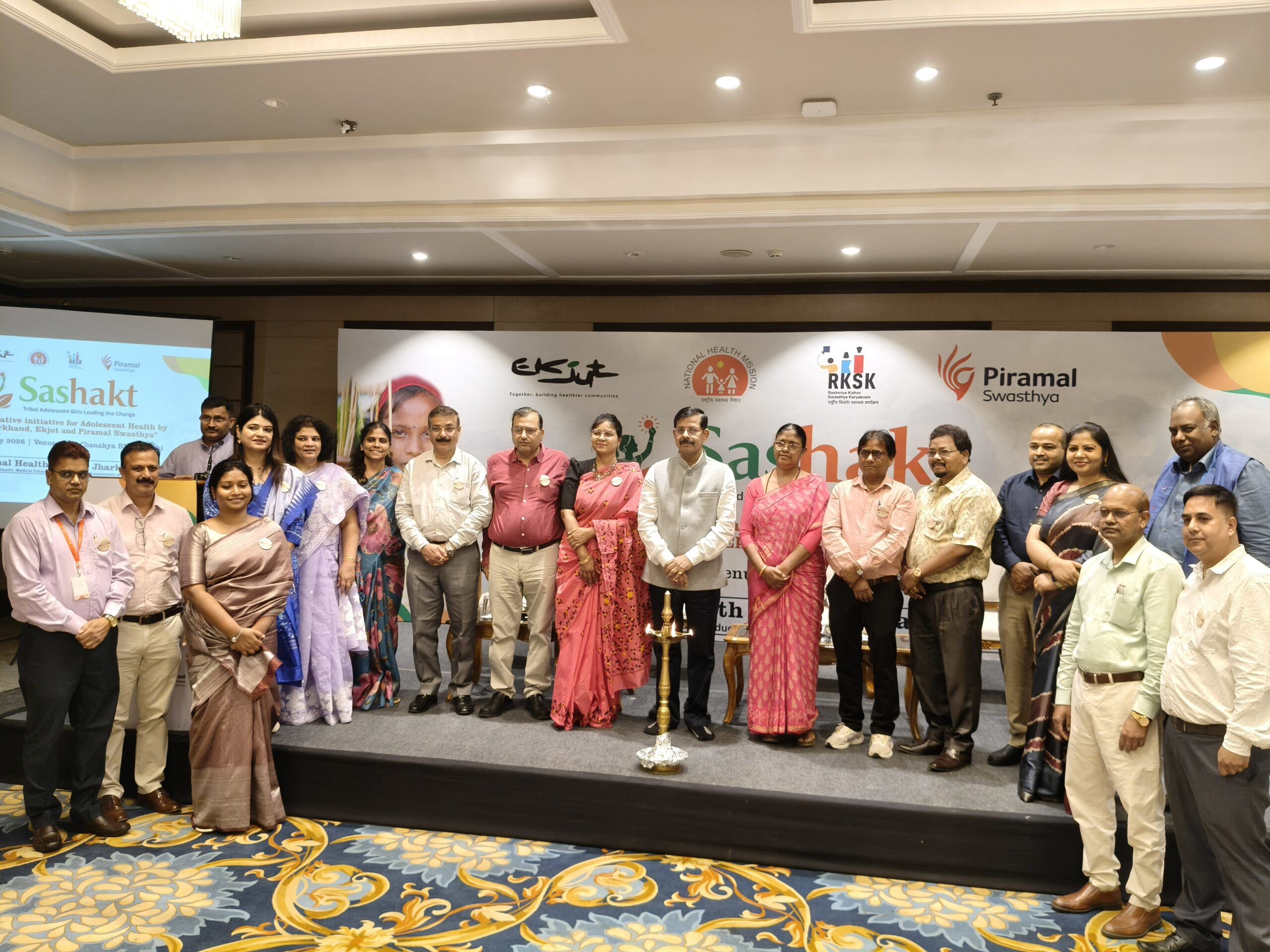
RANCHI: In a major move to boost adolescent healthcare and security, a new programme called “Sashakt” formally launched today at Hotel B.N.R. Chanakya in Ranchi.
The initiative aims to strengthen the National Adolescent Health Program (Rashtriya Kishor Swasthya Karyakram) by providing tribal girls with health services, education, and confidence .
The project is a joint effort between the National Health Mission and non-profits Ekjut and Piramal Swasthya. In its first phase, the programme will deploy across five districts including Pakur, Gumla, East Singhbhum, West Singhbhum, and Khunti, reaching an estimated 8.3 lakh Scheduled Tribe youth.
The long-term roadmap for “Sashakt” sets a target to empower 10 lakh tribal adolescents by 2035 through reproductive health services, rights awareness, and general well-being. Officials at the launch noted that India houses 2.2 crore tribal youth, with Jharkhand holding a significant share.
Representatives from the health, education, and women and child development departments attended the event and pledged to coordinate their resources. The programme plans to upgrade local tech capacity, leverage “Maitri Yuva Kendras” for reproductive health access, and run peer-led family learning sessions to address deep-rooted issues like malnutrition, child marriage, and early pregnancy.
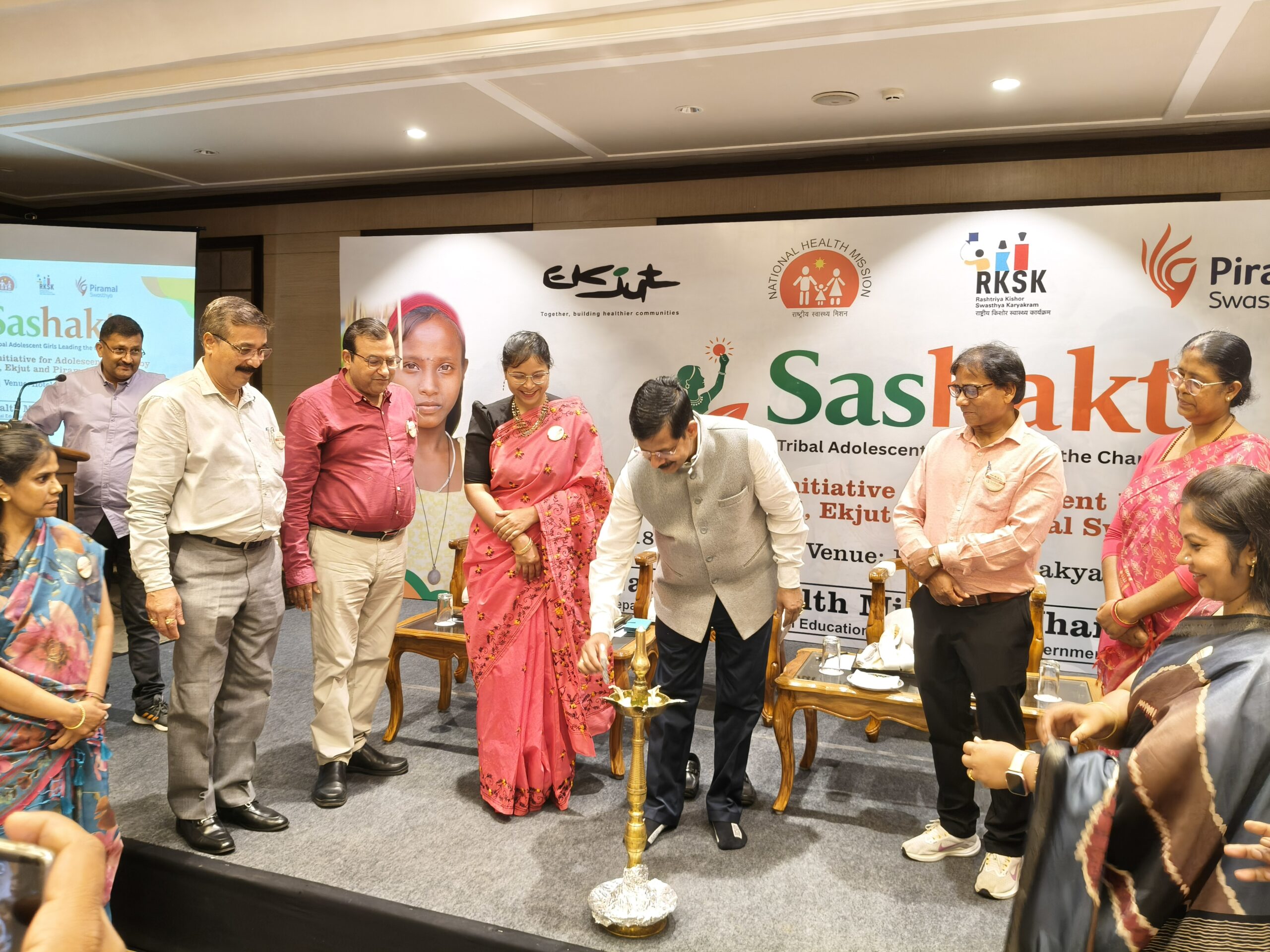
On the occasion the National Health Mission (NHM) leadership outlined an expansive framework to tackle the primary challenges facing young populations. During the programme the top health officials, led by the Mission Director, decoded a structured “ADOLESCENT” matrix to streamline development policies.
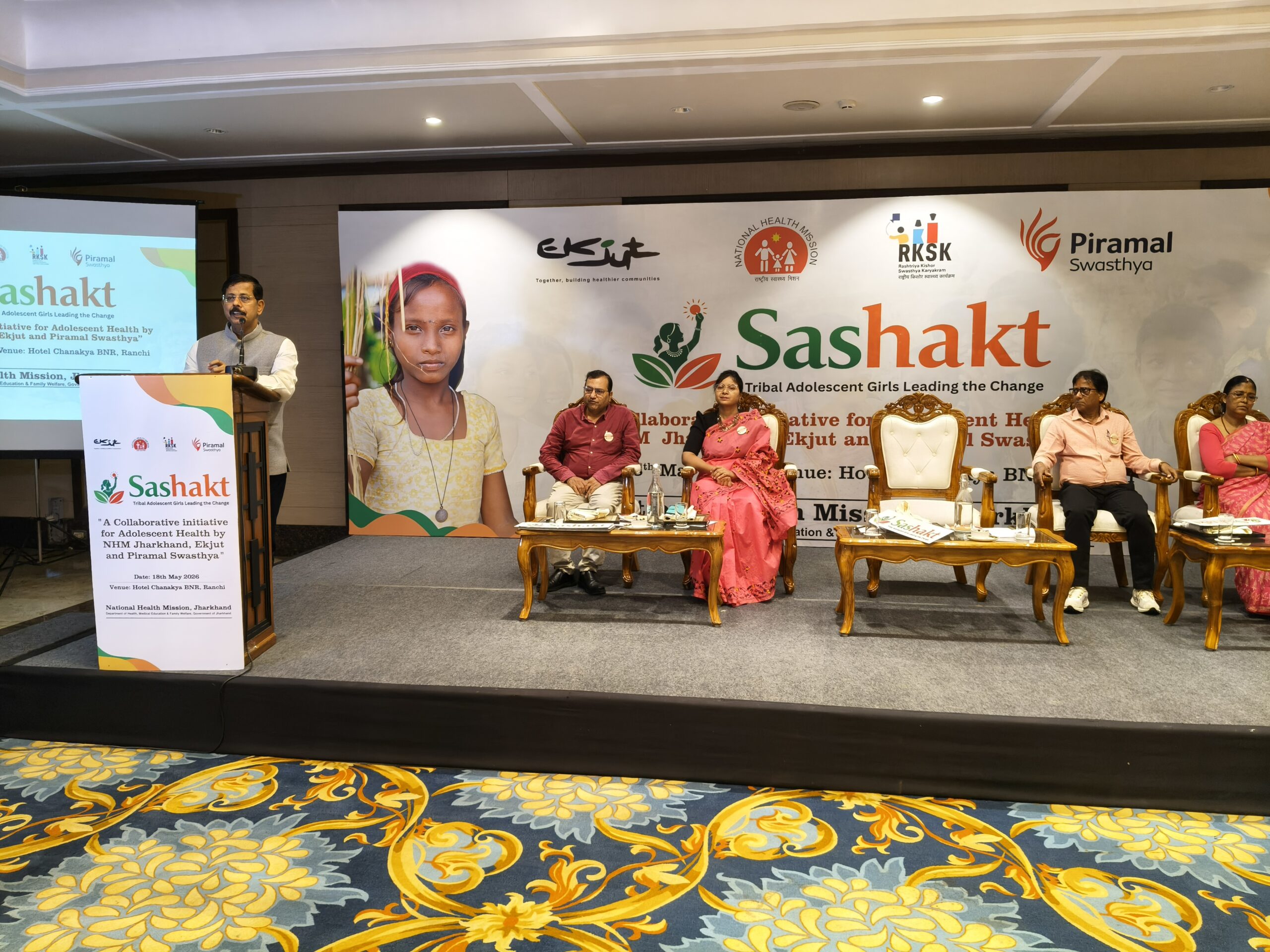
A key breakthrough in this strategy is the identification of ‘S’ for Social Stigma, marking a critical shift toward addressing the hidden psychological and social barriers that impact youth.
The strategy maps out ten core pillars targeting structural, educational, and medical interventions for the state’s youth:
* A — Awareness
* D — Dropout from school
* O — Oral health
* L — Life skills
* E — Education about change
* S — Social stigma
* C — Child marriage
* E — Education for employment
* N — Nutrition
* T — Training for skill development (Transformation)
Inclusive Development Model
The administration emphasized moving away from top-down messaging to a collaborative community model. “Nothing about us without us,” the strategy notes declare, asserting that local communities must act as equal participants in development rather than mere recipients of programmatic messages. Officials stated that this marks the “beginning of the journey of co-creation,” expressing immense confidence in succeeding alongside institutional and grassroots partners.
Core Leadership Mobilized
The implementation of this multi-sectoral roadmap brings together a dedicated task force of State Nodal Officers (SNO) and departmental heads, including:
* Shri Shashi Prakash Jha — Mission Director, NHM Jarnkhand
* Dr. Kamlesh — Deputy Director, State Nodal Office, SPM Unit
* Smt. Krishna — Assistant Director, WCD
* Dr. Vijay Kishor Razak — SNO, RKSK (Rashtriya Kishor Swasthya Karyakram)
* Dr. Mukesh Kumar Mishra — SNO, CM Cell
* Dr. R.K. Singh — SNO, IEC Cell
* Dr. Pradeep — SNO, IDSP & PCPNDT
* Dr. Pushpa — SNO, Maternal Health Training
* Dr. Lal Manjhi — SNO, Mental Health
* Mr. Rajnikant Mishra — SNO, School Health & Wellness Programme, JCERT
The targeted initiative will heavily focus on five key districts, deploying localized peer educators in areas such as West Singhbhum, alongside media campaigns and development partners to ensure deep grassroots penetration.
