
Paper Wastage Under Fire: Call for Digital Shift as SAIL Ranchi Unit Accused of Wasting 4,300 Pages Per Contract
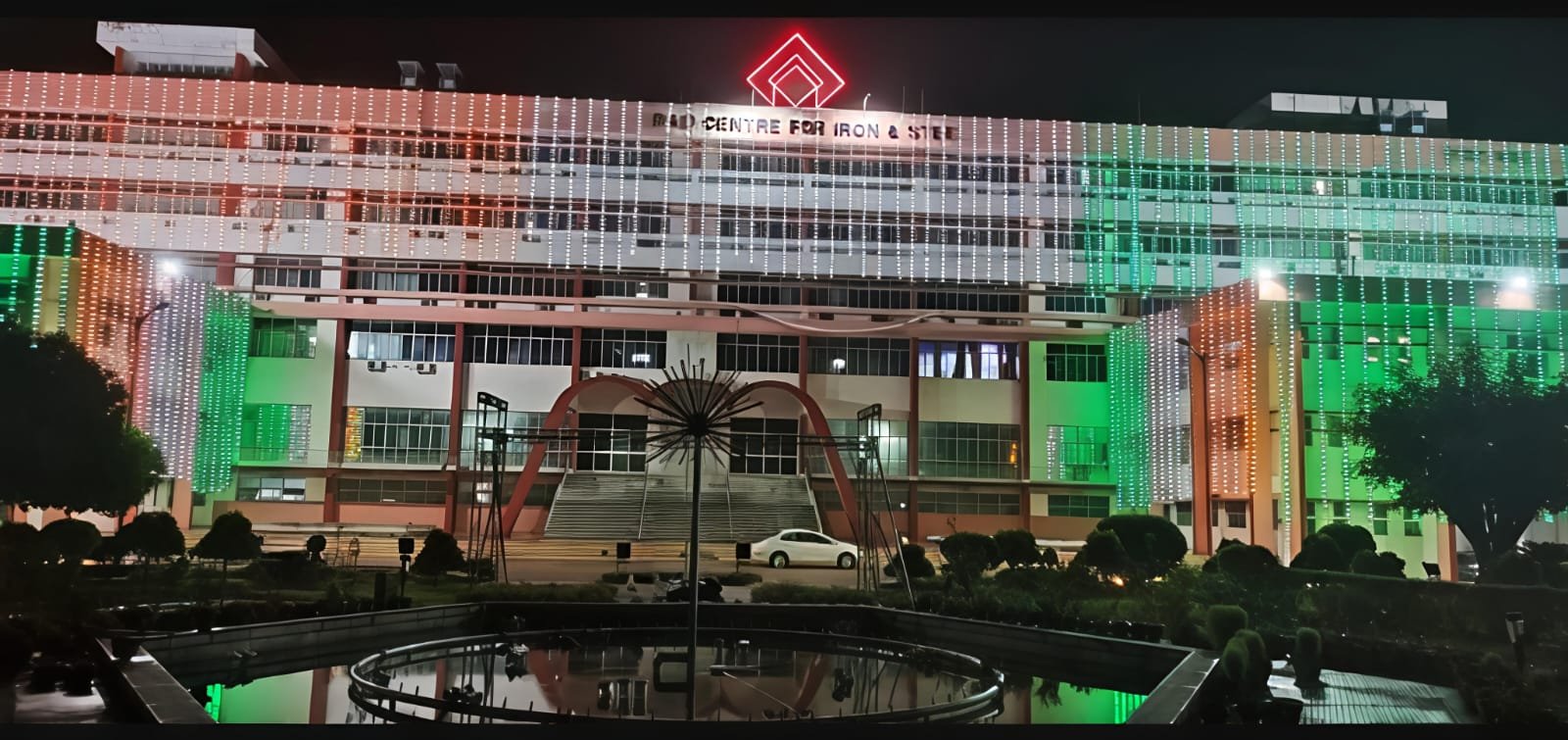
RANCHI: A formal complaint has been filed against the Steel Authority of India Limited (SAIL) regarding massive paper wastage in its outsourcing operations, prompting urgent demands for an immediate shift toward eco-friendly digital processes.
The complaint highlights a troubling bureaucratic practice at the Research and Development Centre for Iron and Steel (RDCIS) and the Centre for Engineering & Technology (CET) units of SAIL located in Doranda, Ranchi. For standard manpower outsourcing contracts, vendors are currently required to submit four separate physical copies of their monthly or weekly bills. Because a single billing packet with all supporting documents spans about 40 to 45 pages, multiplying it by four forces vendors to submit between 160 and 180 physical pages every single month. Over a standard two-year contract period, this single requirement results in the consumption and waste of roughly 4,300 sheets of paper per contract.
The complaint emphasizes that the Ranchi unit is merely a single example of a much larger systemic problem across the country. With thousands of active public and private sector contracts running across India, maintaining duplicate hard-copy submissions leads to the destruction of millions of pages annually, which contributes heavily to deforestation and runs entirely contrary to India’s green energy and sustainability goals.
In response to this environmental threat, a formal appeal has been placed directly before the Chairman of SAIL in New Delhi requesting immediate administrative reforms. The submission demands that the management cut down the required billing submission to just one single original hard copy, while mandating that all extra copies be accepted strictly as soft copies via e-mail, secure digital portals, or electronic media.
Implementing these steps would halt unnecessary paper consumption, protect trees from being cut down, and align the company’s operations with modern environmental green initiatives. The management has been urged to view the matter with empathy and to issue a formal Action Taken Report to ensure transparency and accountability in protecting the environment.
