
Hooked on Rs 20 escape: How illegal liquor is stealing the youth of Birni
RAJESH KUMAR
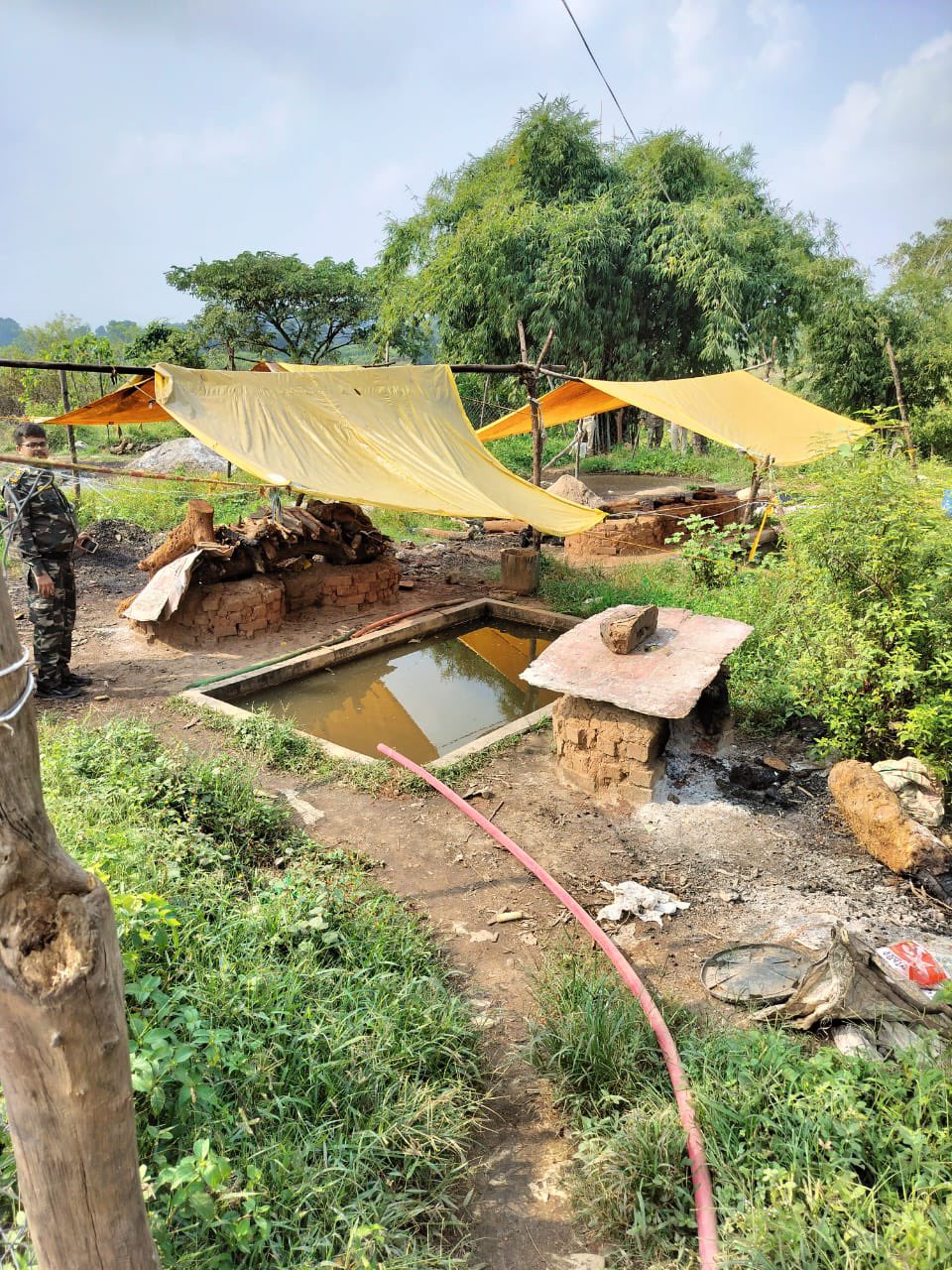
BIRNI, GIRIDIH: A devastating crisis is unfolding across the Birni block, where an unchecked explosion of illegal liquor dens is destroying the futures of the younger generation, crippling local families, and triggering a dangerous spike in crime.
Open Sales on School Routes
The crisis operates in broad daylight. Starting as early as 6:00 AM, makeshift breweries and illicit outlets across Birni Bazaar, Kendua, Pesham, Bharkatta, and Kapilo openly trade in country liquor, Indian-Made Foreign Liquor (IMFL), and highly toxic mahua brews.
These illegal shops operate brazenly within 500 metres of the area’s single official government liquor outlet, often sitting directly along daily school routes. Selling cheap, raw liquor pouches for just ₹20, these setups systematically drain the hard-earned daily wages of local laborers. By the time dusk falls, village squares are routinely overwhelmed by crowds of intoxicated young men.
Classrooms Empty as Addiction Takes Root
The impact on education is severe. Local educators report that students from Classes 10 to 12 are frequently skipping school to gather at local mahua dens instead. School dropout rates are actively climbing across the block. In areas like Pesham, children as young as 14 are openly consuming alcohol. Teachers note that parents feel they have completely lost control over their children.
Allegations of Official Complicity
While local police and excise departments claim they are taking action—reporting seven arrests and 150 litres of liquor seized last month—residents dismiss these efforts as a mere eyewash.
Villagers openly accuse local authorities of collusion, claiming that major bootlegging kingpins continue to operate with total impunity. According to local sources, raids are highly symbolic, often resulting in minor arrests while the core supply chains remain untouched. When one illegal den is shut down, another typically surfaces just meters away.
Unemployment Fueling the Epidemic
At the root of this crisis is a severe lack of economic opportunity. Social workers point out that the region completely lacks factories, industries, and vocational skill centers.
For young people completing the 12th grade, there are few viable local career paths, and traditional farming fails to appeal to the younger demographic. With mass migration taking away many able-bodied adults, those left behind are turning to ₹50 liquor pouches as a cheap, temporary escape from the reality of joblessness.
Community leaders warn that without immediate, coordinated intervention from the administration and local leadership, Birni is on a direct path to becoming a hub for chronic disease and organized crime within the next decade.
