
Kashmir Meets Kohan: IHM Ranchi Weaves a Cultural and Culinary Span
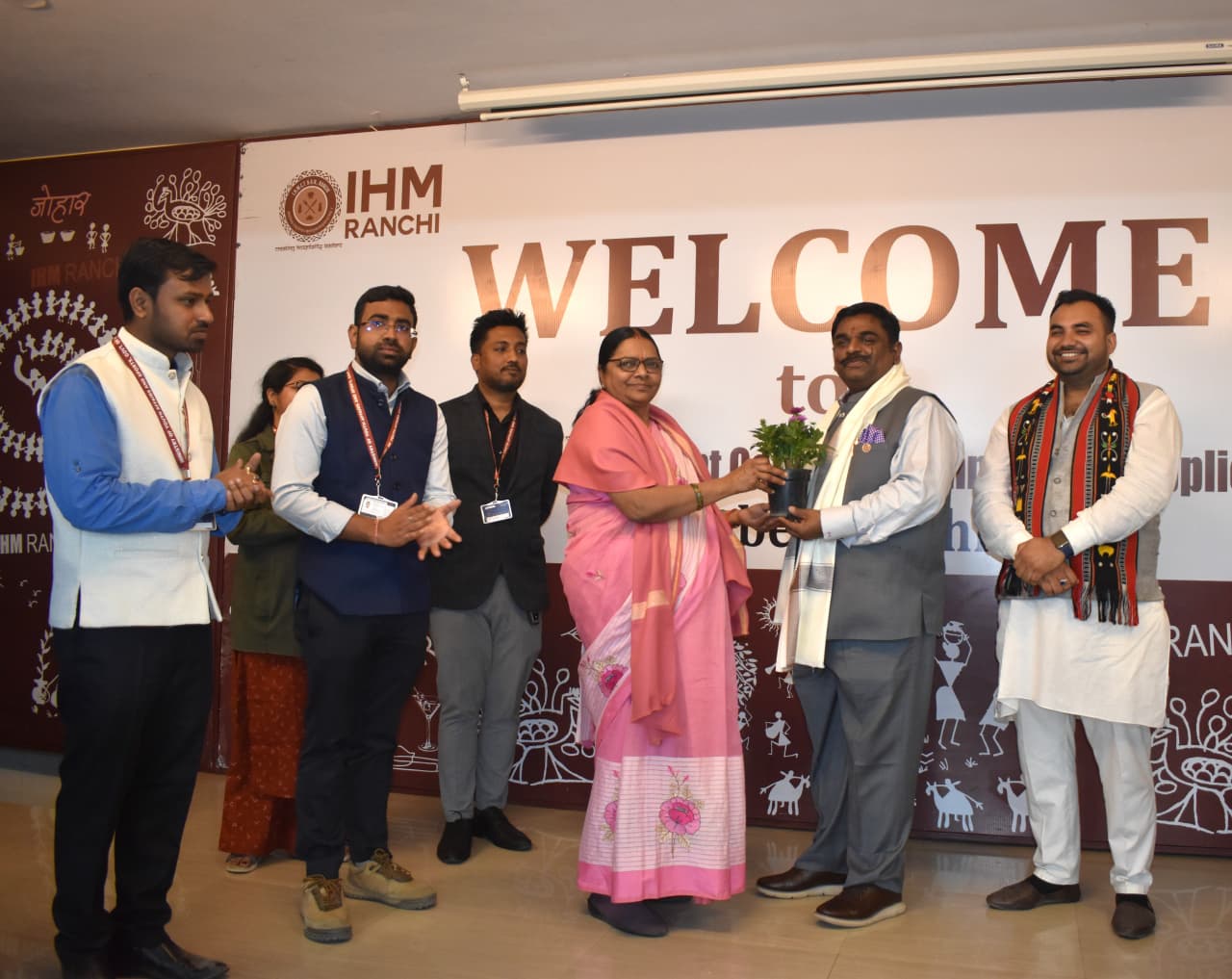
Ranchi: In a vibrant celebration of national integration, the Institute of Hotel Management (IHM) Ranchi transformed into a melting pot of traditions as it hosted 132 youth delegates from six districts of Jammu & Kashmir (Anantnag, Kupwara, Baramulla, Budgam, Srinagar, and Pulwama). Organized under the Kashmiri Youth Exchange Programme 2025 by Mera Bharat Yuva Kendra (Ministry of Youth Affairs & Sports), the event served as a bridge between the Himalayan peaks and the plateau of Jharkhand.
A Symphony of Steps: Jhumar to Chhau
The auditorium came alive with a rhythmic welcome as IHM students performed the traditional tribal Jhumar and the majestic Seraikela Chhau dance. In a heartwarming reciprocation, the Kashmiri delegates showcased their heritage through traditional dance, earning a standing ovation for their grace and energy.
Knowledge Beyond the Kitchen
Cultural Branding: Senior Lecturer Mr. Ravi Kumar led a session on promoting Kashmiri cuisine and branding regional dishes to boost tourism and economic growth in J&K.
Academic Horizons: Mr. Vineet Sinha guided the visitors through IHM’s academic facilities, detailing the vast career prospects in global hospitality for aspiring youth.
Tourism Synergy: Principal Dr. Bhupesh Kumar emphasized that both Jharkhand and Kashmir share a common identity of scenic beauty and rich social fabric, making them ideal partners for tourism-driven development.
The Great Taste Exchange: Dhuska meets Kahwa
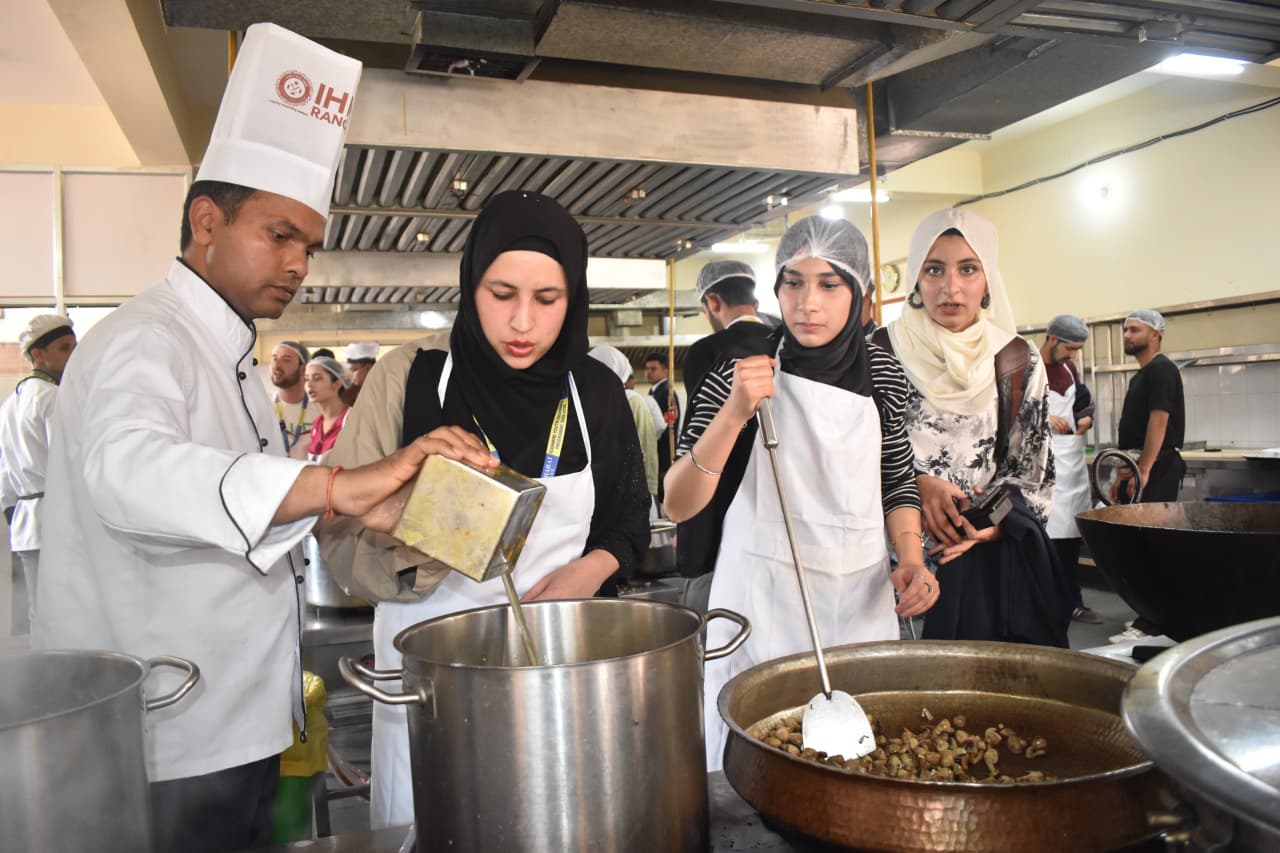
The highlight of the day was the Culinary Fusion Session held in the institute’s training kitchen under Chef Rajneesh Kumar Singh.
Jharkhand’s Flavors: The Kashmiri guests learned to prepare local staples like Dhuska, Aloo Chana Sabzi, Dubki, Doombu, and the unique Rice Tea.
Kashmir’s Bounty: In exchange, the visitors shared the secrets of making authentic Kahwa, Kumbh Yakhni, and Kashmiri Suji Phirni.
A Step Toward Unity
The programme, graced by Ms. Lalita (State Director, NYKS) and other dignitaries, concluded as a landmark event in fostering “Ek Bharat Shreshtha Bharat.” By blending the spices of the north with the grains of the east, the exchange proved that food and art remain the strongest threads in the fabric of national unity.
