
‘Sanskrit is not merely a language, but a priceless treasure trove of Indian culture’
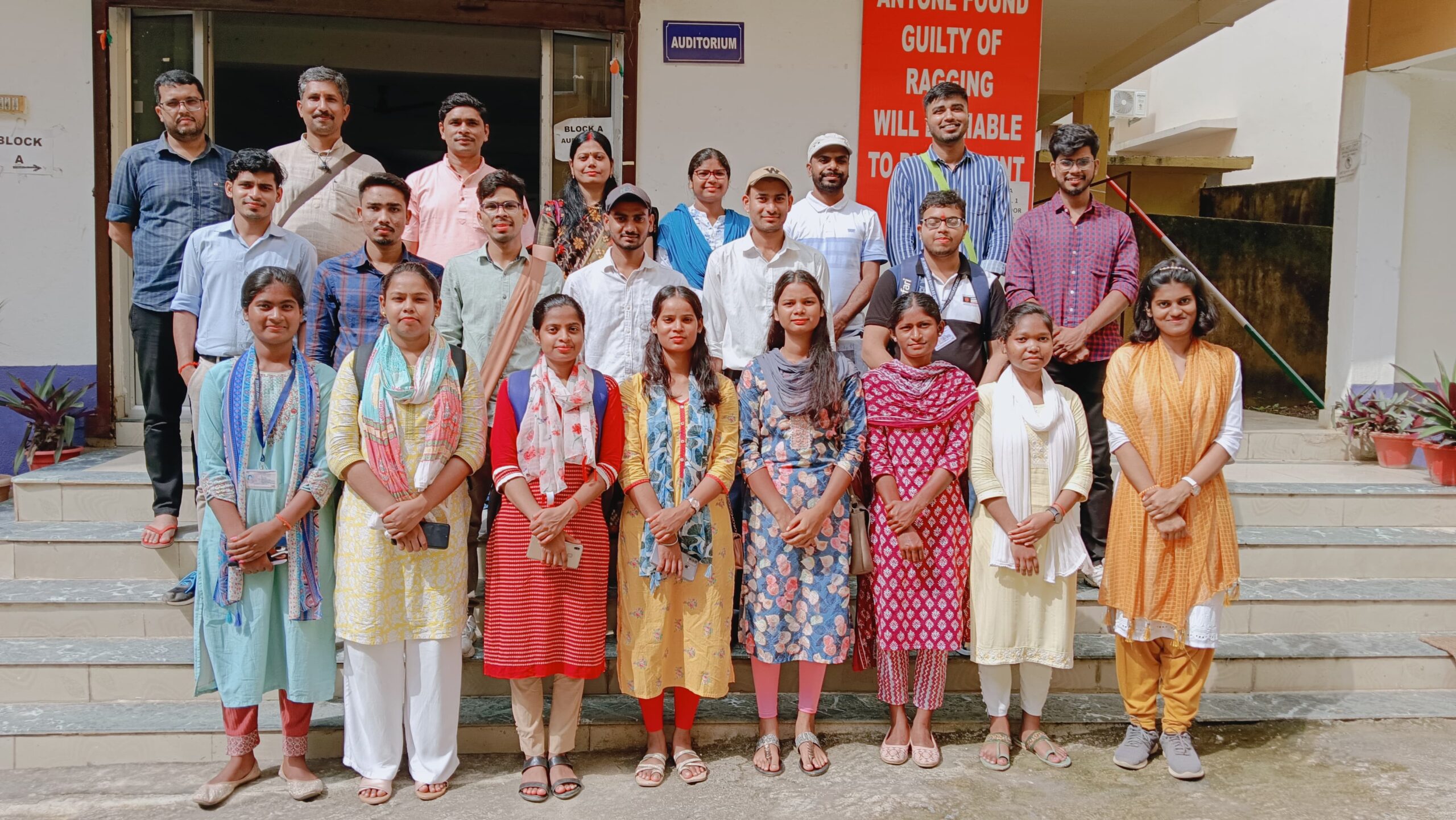
Ranchi: On the third day of Sanskrit Week, jointly organized by Dr. Shyama Prasad Mukherjee University, Ranchi, Sanskrit Bharati, and the Jharkhand Sanskrit Academy, a speech competition on “The Importance of Sanskrit” and an essay competition on “Environmental Conservation in Sanskrit Literature” were held on Sunday. Participants hailed from B.N. Jalan College, Sisai, Dr. Shyama Prasad Mukherjee University, Ranchi Women’s College, and Marwari College, Ranchi.
In the speech competition, participants eloquently highlighted Sanskrit’s unparalleled significance and its profound impact. They emphasized that Sanskrit is not merely a language, but a priceless treasure trove of Indian culture, philosophy, literature, and science. The Vedas, Upanishads, Mahabharata, Ramayana, Gita, and Puranas, composed in Sanskrit, embody the highest ideals, ethical values, and profound philosophical thoughts. Participants also pointed out that from the Vedic era to modern times, Sanskrit has contributed immensely to fields such as mathematics, astronomy, Ayurveda, grammar, and linguistics. The language’s highly structured and rule-bound nature makes it particularly useful in computer science and artificial intelligence. Sanskrit can play a vital role in preserving our cultural identity and heritage. They further stated that the teaching and propagation of Sanskrit should be an integral part of today’s education system. Reviving Sanskrit in modern education will not only safeguard our cultural heritage but also reconnect the younger generation with their roots.
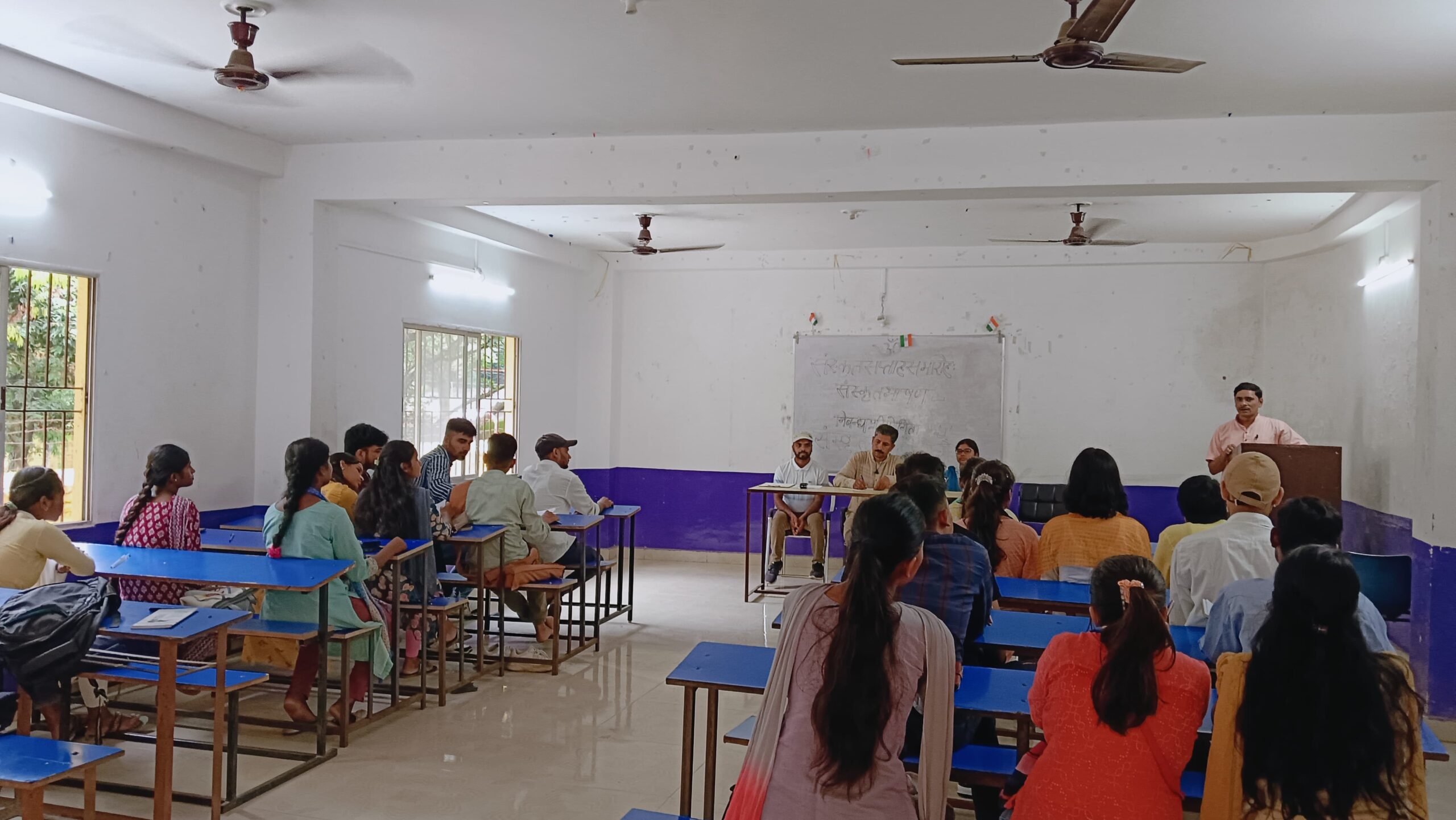
In the essay competition on “Environmental Conservation in Sanskrit Literature,” participants noted that the subject of environmental conservation has been paramount in Sanskrit literature since ancient times. From Vedic literature to the Puranas, Sanskrit texts emphasize the ideals of balance and coexistence with nature. Sanskrit literature not only elucidates the principles of environmental protection but also fosters a sense of empathy, sensitivity, and responsibility towards all living beings. The Rigveda, for instance, recognizes the five elements—earth, water, air, fire, and ether—as divine entities. The Isha Upanishad clearly states that the entire universe is the abode of the divine, and humans should use resources according to their needs, without succumbing to greed. In the Shanti Parva of the Mahabharata, the dialogue between Yudhishthira and Bhishma underscores the importance of protecting the earth. The Ramayana sensitively narrates the beauty of nature, flora, and fauna during Lord Rama’s exile. Manusmriti and Yajnavalkya Smriti lay down rules for tree planting, water conservation, and wildlife protection. Participants emphasized that, in today’s context of severe environmental crisis, the teachings from Sanskrit literature have become highly relevant.

Dr. Dhananjay Vasudev Dwivedi, Head of the Sanskrit Department at Dr. Shyama Prasad Mukherjee University, in his message, remarked that Sanskrit language and literature embody a profound understanding of our ancient culture and offer invaluable lessons on environmental conservation. Sanskrit not only safeguards our religious and cultural values but also provides significant guidelines for maintaining environmental balance.
The speech competition was judged by Dr. Srimitra and Soni Kumari, while the essay competition was judged by Dr. Rahul Kumar and Prithviraj Singh. The events were coordinated by Dr. Jagadamba Prasad and Ashish Kumar Mahato.
Winners of the speech competition were: First – Ayush Kumar, Second – Shivam Narayan, and Third – Chandan Kumar, with consolation prizes awarded to Surendra Kumar Mahato and Sumit Kumar Mahato. Winners of the essay competition were: First – Pratima Chauhan, Second – Preeti Oraon, and Third – Surendra Kumar Mahato and Sumit Kumar Mahato, with consolation prizes going to Holika Kumari and Shruti Trivedi.
