
From Dialogue to Destiny: A New Dawn for Eastern India
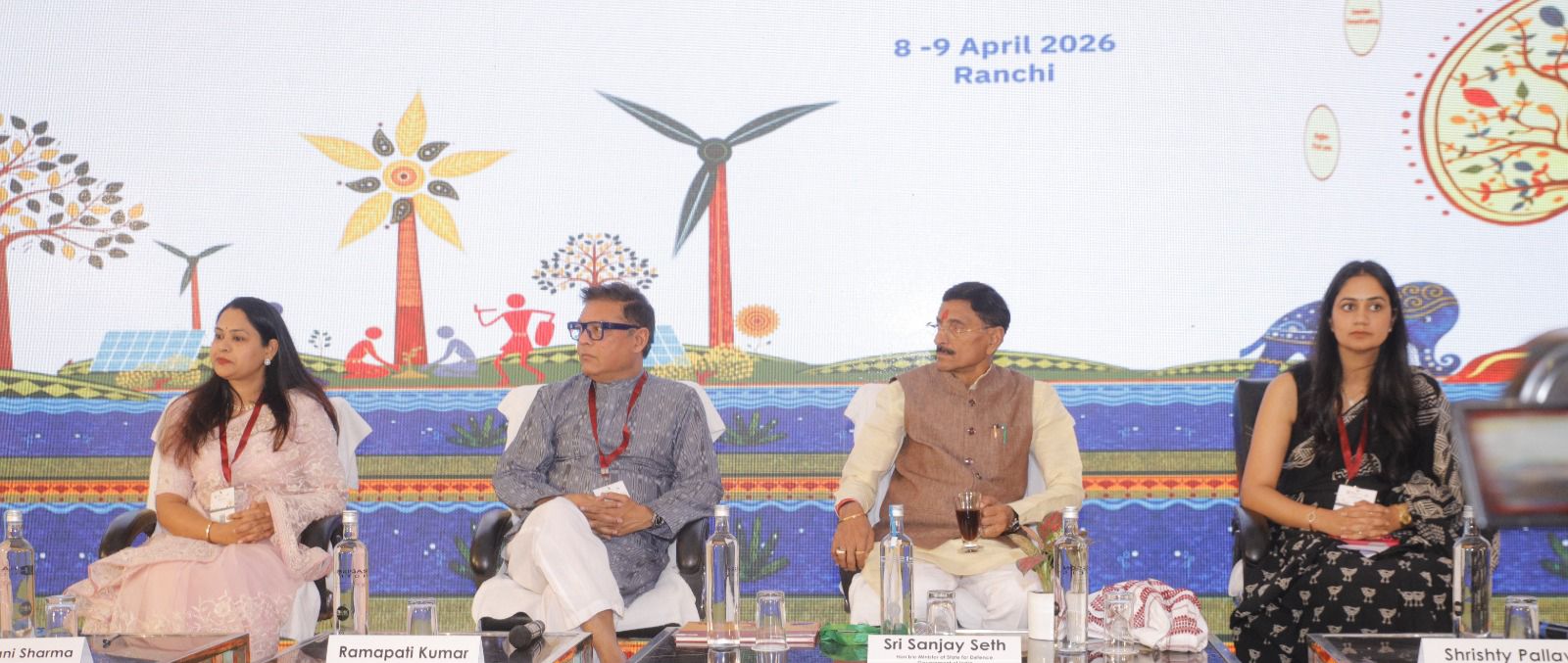
Ranchi: On Thursday the city became the heartbeat of a transformative movement. The ‘Ekam Dialogues – Samvad se Nirman’, hosted by the Centre for Environment and Energy Development (CEED), reached its crescendo, focusing on a singular, powerful theme: turning visionary ideas into ground-level reality.
The atmosphere was one of collective responsibility. Sanjay Seth, Minister of State for Defence, opened the day with a stirring reminder of the national mission:
“Regional development is the cornerstone of the country’s overall development and nation-building. To achieve the goals of the ‘Viksit Bharat-2047’ campaign, sustainable development, and climate resilience, collective efforts of states and regions are essential” .
Following this, Ramapati Kumar, CEO of CEED, reinforced the event’s core philosophy:
“Ekam Dialogues has tried to present a vision of regional cooperation centered on climate adaptation and inclusive development… This initiative emphasizes moving dialogue into action and preparing solutions for inclusive development”.
The Architects of Change
The event was a rare gathering of nearly 70 experts and grassroots heroes, including:
Government & Academic Visionaries: Shri Ravi Ranjan (IFS), Shri PK Hazari (Jharkhand), and Prof. (Dr.) Piyush Kant Pandey (Amity University, Raipur)
Padma Shri Awardees & Social Leaders: Rajkumari Devi (‘Kisan Chachi’), Phoolbasan Yadav, Budhari Tati, Anup Ranjan Pandey, Jagdanand (Odisha), and Usha Vishwakarma (Red Brigade).
* Policy & Technical Experts: Tirthankar Mandal, Puneet Khandelwal, and Pamli Deka (WRI India); Nivit Kumar Yadav (CSE); Johnson Topno (Phia Foundation); and Ashwani Ashok and Srishti Pallav (CEED) .
* Voices of the Future: Ranjan Kumar Panda (Youth for Water), Rekha Kumari (Kaushalya Foundation), Vivek Chandra (Sustainable Solutions for Living), and entrepreneurs like Lipsa Hembram, Lekesh Bai Jain, and Shubhendu Goswami.
Media Strategists: Dr. Himanshu Dwivedi (Haribhoomi Group), Shambhunath Choudhary (Ranchi Press Club), and Anuj Das.
A Roadmap for Resilience
Through nine specialized sessions—ranging from “Journeys in Resilience” to “Aligning Finance with the Future”—the participants explored how traditional knowledge and modern innovation could coexist. They discussed “People-Centric Transition Pathways” and how to shape public perception through storytelling.
The day ended not with a goodbye, but with a “Collective Commitment”. The delegates left Ranchi not just with notes, but with a “Shared Action” agenda designed to protect the cultural heritage and natural resources of Eastern and Central India for generations to come.
